
A Journey Through Time and Nature
Welcome to the Ice Mountain Trail and History Walk.
Welcome to the Ice Mountain Trail and History Walk, a dedicated path designed to immerse you in the unique geological and cultural heritage of the Coudersport Ice Mine. This interpretive experience allows you to witness the "geologic marvel" of Ice Mountain while walking through over 130 years of history.
Beginning Your Ascent
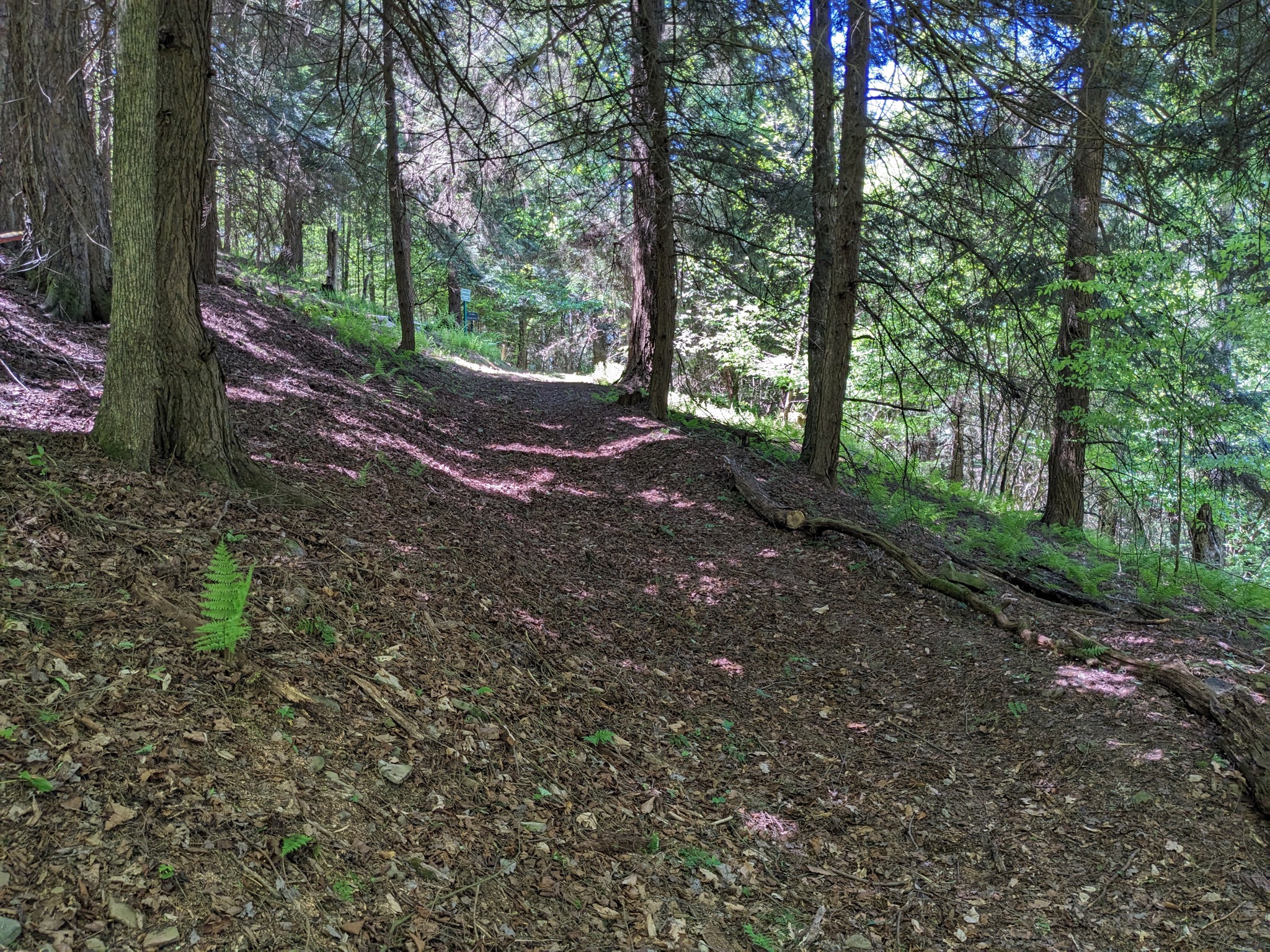
The journey begins at the trail entrance, which is easily accessible via a set of steps located directly off the main driveway. As you start your climb, please be mindful that this is a true mountain trail. The path features notable elevation changes and uneven terrain that require sturdy footwear and careful footing.
The trail is not recommended for small children or for guests with mobility issues.
What to Expect Along the Way
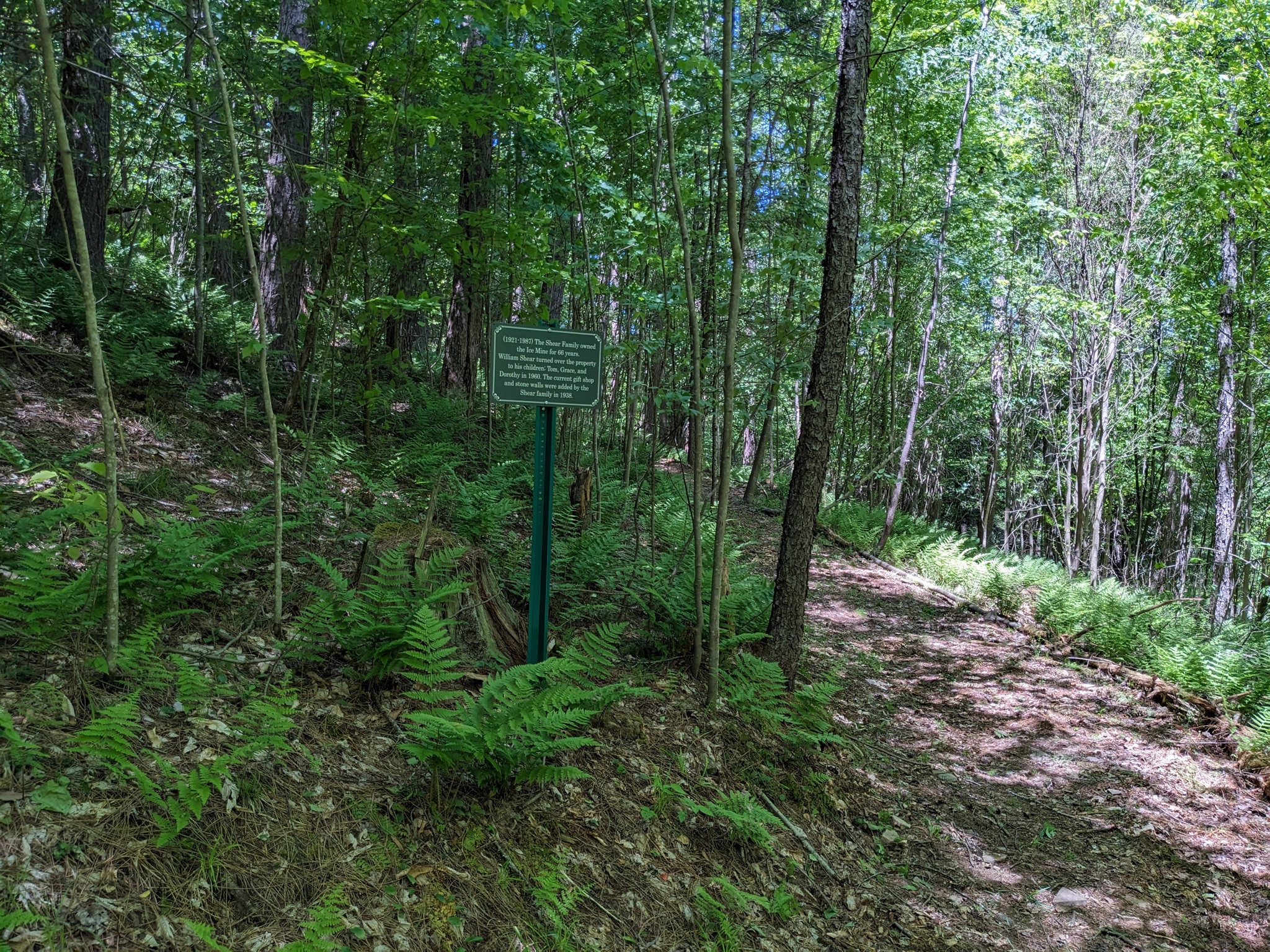
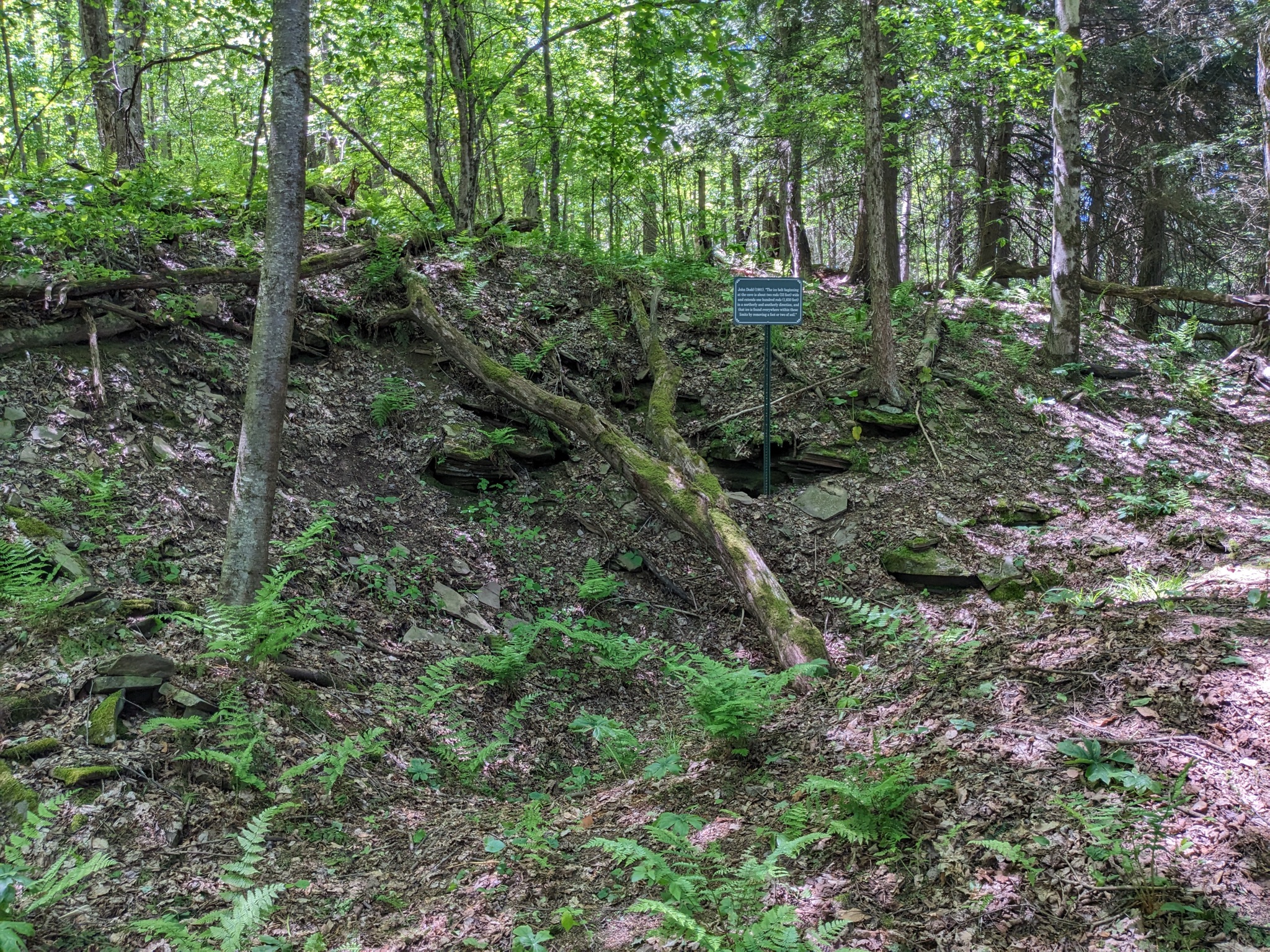
The hike typically takes approximately 15 minutes to complete, but we encourage guests to move at a leisurely pace. The trail is lined with several historical markers that chronicle the story of the mine — from Billy O'Neil's 1894 search for silver to the restoration efforts by the Buchsen family in 2013. These markers provide a narrative of the site's evolution from a "Devil's Ice Box" into a beloved travel destination.
Connecting with the Forest
As you navigate the dense forest cover of Ice Mountain, you will be surrounded by the same luxuriance of moss and ferns that have thrived here for centuries. To further enhance your connection with the local environment, we highly recommend downloading the Merlin Bird ID application from Cornell Lab of Ornithology. This tool will help you identify the various bird species that call this mountain home as you enjoy the peaceful sounds of the forest.
Concluding Your Walk
Your hike will lead you through the claimed "ice belt" of the mountain before concluding directly beside the Coudersport Ice Mine. Upon arrival at the mine, you can witness the incredible formation of summer ice and feel the freezing drafts that have fascinated scientists and visitors since the late 19th century.